
Welcome to Veer Savarkar Charitable Trust Diagnostic Centre and Polyclinic – Your Health, Our Priority.
Best Physiotherapy Centre in GTB Nagar
Best Physiotherapy Centre in GTB Nagar
If you are searching for a Best Physiotherapy Centre in GTB Nagar you can visit our physiotherapy department. We provide rehabilitation that is centered on the patient, based on individual health requirements, symptoms, and functional targets. Physiotherapy may be recommended for musculoskeletal conditions, orthopedic problems, sports injuries, post-surgical recovery, neurological rehabilitation and age-related mobility difficulties.
Veer Savarkar Charitable Trust Diagnostic Centre & Polyclinic provides physiotherapy services for patients in GTB Nagar, New MHADA Colony, Kokari Agar, Sion Koliwada, New Link Road, Sion and nearby areas of Mumbai. Our physiotherapy services focus on improving movement, reducing pain, rebuilding strength and supporting recovery after injuries, surgeries and other conditions affecting physical function.
You can reach out to Veer Savarkar Charitable Trust Diagnostic Centre & Polyclinic to ask about physiotherapy services, what treatments are available, appointment timings, and which rehabilitation plan would suit you.

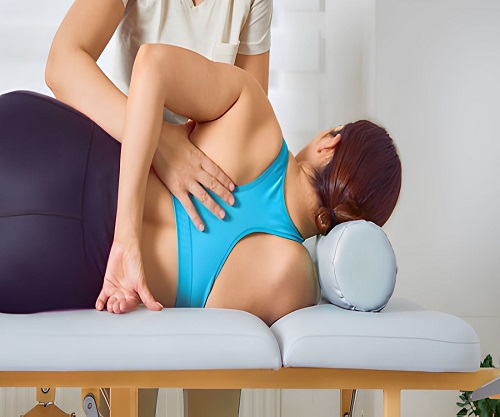
About Physiotherapy
Physiotherapy is a healthcare service that helps improve movement, physical function, strength and mobility. Treatment may include therapeutic exercises, stretching, strengthening exercises, mobility training and other rehabilitation techniques based on the patient's condition and assessment.
A physiotherapist first reviews the patient's symptoms and then assesses movement, muscle strength, flexibility, balance and functional limitations. Based on the assessment, an individualized treatment and rehabilitation plan can be developed to support better mobility and physical function.
Physiotherapy may support patients recovering from injuries, surgeries and fractures, as well as those experiencing ongoing pain, stiffness, muscle weakness or mobility difficulties.Meet Our Doctors.
Physiotherapy Services
- Pain Management Physiotherapy- Physiotherapy may help patients manage certain types of musculoskeletal pain, including back pain, neck pain, joint discomfort and muscle-related pain. Treatment may involve therapeutic exercises, mobility work, strengthening and other techniques selected according to the patient's assessment.
- Orthopedic Physiotherapy - Orthopedic rehabilitation focuses on improving movement and physical function in patients with orthopedic conditions. Physiotherapy may be recommended for arthritis, joint problems, fractures, muscle weakness and recovery following orthopedic procedures.
- Sports Injury Rehabilitation - Sports injuries can affect muscles, ligaments, tendons and joints. Rehabilitation may help patients gradually restore strength, flexibility, balance and movement following injuries such as sprains, muscle strains and selected ligament injuries.
- Post-Surgical Rehabilitation - Physiotherapy may form an important part of recovery after certain surgeries. A rehabilitation program can focus on restoring movement, rebuilding strength and gradually improving physical function according to the patient's recovery stage and the treating doctor's recommendations.
- Post-Fracture Rehabilitation - After a fracture has healed sufficiently and rehabilitation is advised, physiotherapy may help address stiffness, weakness, reduced mobility and difficulty returning to normal activities.
- Neurological Rehabilitation - Some patients with neurological conditions may require rehabilitation to improve movement, balance, coordination and functional independence. Physiotherapy programs are tailored to the individual's neurological condition and physical abilities.
- Exercise Therapy - Therapeutic exercises may be used to improve muscle strength, flexibility, endurance, balance and movement. Exercises are selected according to the patient's condition and may be progressed gradually as physical function improves.
- Geriatric Physiotherapy - Older adults may experience reduced strength, balance difficulties, joint stiffness and mobility limitations. Physiotherapy can focus on maintaining physical function, improving mobility and supporting safer movement.
- Posture and Ergonomic Guidance - Poor posture and inappropriate movement patterns may contribute to discomfort and musculoskeletal problems. Physiotherapy guidance may include posture awareness, movement education and ergonomic recommendations for work and daily activities.
Conditions Commonly Managed With Physiotherapy
- Back pain
- Neck pain
- Shoulder pain
- Frozen shoulder
- Knee pain
- Joint stiffness
- Arthritis-related mobility problems
- Muscle strains
- Sports injuries
- Ligament injuries
- Post-fracture stiffness and weakness
- Post-surgical mobility problems
- Balance difficulties
- Age-related mobility issues
- Muscle weakness
- Reduced flexibility
- Selected neurological rehabilitation needs
Who May Benefit From Physiotherapy?
Physiotherapy may be useful for people whose pain, injury, weakness or reduced mobility affects everyday activities. Treatment is planned according to the individual's condition, physical abilities and rehabilitation goals.
- People recovering from orthopedic injuries
- Patients experiencing joint or muscle stiffness
- People recovering after certain surgeries
- Individuals with reduced strength or flexibility
- Sports players returning to activity after injury
- Older adults experiencing balance or mobility difficulties
- Patients requiring rehabilitation after a fracture
- People with selected neurological rehabilitation needs
When Should You Consider Physiotherapy?
A healthcare professional may recommend physiotherapy when pain, stiffness, weakness or reduced mobility affects your daily activities.
- Back or neck pain
- Joint pain or stiffness
- Muscle weakness
- Sports injuries
- Recovery after surgery
- Post-fracture stiffness or weakness
- Difficulty with balance or mobility
- Reduced flexibility or physical function
How Does Physiotherapy Work?
The first step is a physical assessment to understand the patient's movement, strength, flexibility, balance, posture and functional limitations. The physiotherapy professional might evaluate movement, muscle strength, flexibility, steadiness, posture and functional limitations
After that, based on the whole picture, an individualized rehabilitation program can be proposed. Depending on patient needs, the treatment may cover for example:
- Therapeutic exercises
- Strengthening exercises
- Stretching
- Mobility exercises
- Balance and coordination training
- Functional movement training
- Manual therapy techniques where appropriate
- Posture education
- Home exercise guidance
Benefits of Physiotherapy
- Improve mobility
- Increase flexibility
- Develop muscle strength
- Improve balance and coordination
- Restore physical function
- Reduce certain types of pain and stiffness
- Improve movement after injury
- Support recovery after surgery
- Regain confidence in daily activities
- Improve functional independence
Physiotherapy After Surgery
Physiotherapy may be recommended after certain surgeries to help restore movement, strength and physical function. Rehabilitation may include mobility exercises, strengthening exercises, stretching and functional training according to the patient's condition and stage of recovery.
The treatment plan and progression depend on the type of surgery, individual recovery and recommendations from the treating healthcare professional.
Why Choose Veer Savarkar Charitable Trust for Physiotherapy in GTB Nagar?
Veer Savarkar Charitable Trust Diagnostic Centre & Polyclinic provides physiotherapy and rehabilitation services near GTB Nagar. Patients can enquire about assessment, exercise therapy, mobility support, pain management and rehabilitation services based on their individual needs. Contact us for physiotherapy services in GTB Nagar.
Conclusion
Veer Savarkar Charitable Trust Diagnostic Centre & Polyclinic provides physiotherapy services for pain management, mobility improvement, sports injuries, orthopedic rehabilitation and post surgical recovery in GTB Nagar and nearby areas of Mumbai.
If you are looking for a Best Physiotherapy Centre in GTB Nagar, contact us for physiotherapy appointments and service enquiries. Call +91-9326362533 for appointments.
Frequently Asked Questions (FAQs)
Q.1. Where can I find a physiotherapy centre near GTB Nagar Monorail Station?
Ans - Veer Savarkar Charitable Trust Diagnostic Centre & Polyclinic provides physiotherapy services near GTB Nagar Monorail Station for patients from GTB Nagar and surrounding areas of Mumbai. Patients can contact the centre to enquire about physiotherapy appointments and available services.
Q.2. What does a physiotherapist do?
Ans - A physiotherapist assesses physical movement, strength, flexibility, balance and functional limitations and may develop an individualized rehabilitation program to improve physical function and mobility.
Q.3. What conditions can physiotherapy help with?
Ans - Physiotherapy may be used as part of rehabilitation for back pain, neck pain, joint problems, sports injuries, fractures, post-surgical recovery, muscle weakness, mobility problems and selected neurological conditions.
Q.4. Is physiotherapy useful after surgery?
Ans - Physiotherapy may be recommended after certain surgeries to help restore movement, strength and physical function. The timing and type of rehabilitation depend on the surgery and the patient's recovery.
Q.5. Can physiotherapy help with back pain?
Ans - Physiotherapy may help selected patients with back pain by improving movement, flexibility, strength and physical function. The appropriate treatment depends on the cause and severity of the symptoms.
Q.6. Can physiotherapy help with knee pain?
Ans - Depending on the cause of knee pain, physiotherapy may help improve strength, flexibility, mobility and function. A proper assessment is important before starting a rehabilitation program.
Q.7. Is physiotherapy painful?
Ans - Some exercises or rehabilitation techniques may cause mild temporary discomfort, but treatment should be appropriate to the patient's condition. Patients should inform the physiotherapy professional about significant or unexpected pain during treatment.
Q.8. How long does a physiotherapy session take?
Ans - The duration of a physiotherapy session can vary depending on the patient's condition, assessment and treatment plan. Patients can confirm the expected appointment duration with the centre.
Q.9. How many physiotherapy sessions will I need?
Ans - The number of sessions varies depending on the condition, severity of the problem, treatment goals and response to rehabilitation. The physiotherapy professional can recommend a treatment schedule based on individual assessment.
Q.10. Can older adults benefit from physiotherapy?
Ans - Yes. Physiotherapy may help older adults maintain or improve strength, balance, flexibility and mobility. Rehabilitation can be tailored to the individual's physical abilities and healthcare needs.
Q.11. Can physiotherapy help after a fracture?
Ans - Physiotherapy may be recommended after appropriate fracture healing to address stiffness, weakness, reduced mobility and functional limitations. Rehabilitation should follow the advice of the treating healthcare professional.
Q.12. How can I book a physiotherapy appointment in GTB Nagar?
Ans - Patients can contact Veer Savarkar Charitable Trust Diagnostic Centre & Polyclinic to enquire about physiotherapy availability, appointment timings and the appropriate rehabilitation services.
Areas We Serve
GTB Nagar | New MHADA Colony | Kokari Agar | Sion Koliwada | New Link Road | Sion | Mumbai